
Illuminations on the Lectionary readings for June 14, 2026 (Pentecost 3A/Proper 6)
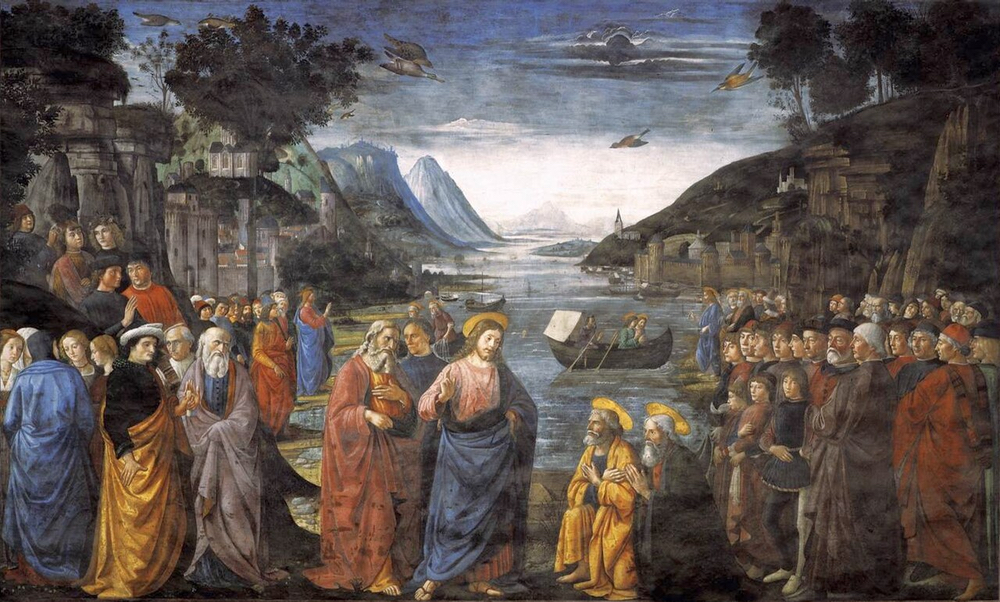
Calling of the Apostles (1481), fresco by Domenico Ghirlandaio(1448-1494). Sistine Chapel, Vatican City, Rome. (Click image to enlarge)
First Reading (Track One): Genesis 18:1-15, (21:1-7)
In our Track One first readings through the Pentecost season, we will hear the Hebrew Bible’s narrative of God’s chosen people, from the patriarch Abraham through Isaac, Esau and Jacob, Joseph, Moses and Joshua. Sunday’s first reading begins that story in the Book of Genesis: Abraham welcomes and offers hospitality to three mysterious strangers, who foretell that he and Sarah will have a son and that their offspring will inherit the Promised Land. Sarah finds this hilarious because of their great age, but God’s promise is fulfilled in their son, Isaac.
First Reading (Track Two): Exodus 19:2-8a
Our Pentecost first readings in Track Two usually show some relationship with the week’s Gospel in theme or theological point. This Sunday, for example, we see Moses bringing God’s words to the elders of the people, asking and receiving their agreement to be in a lasting covenant with God. “Everything that the Lord has spoken we will do,” the elders say. Listen for a distant echo in Sunday’s Gospel, as Jesus gathers his 12 disciples, sending them out to heal the sick, raise the dead, and proclaim the good news.
Psalm (Track One): Psalm 116:1, 10-17
This Psalm portion comes again after only a short break, as we heard it on the Third Sunday of Easter just about two months ago. In the verses designated for this reading, we sing of the transforming joy that comes with recovery and resurrection after a frightening illness. Feeling the joy of restored life, the Psalmist offers thanks to God who frees us from the snares of death.
Psalm (Track Two): Psalm 100
This joyful hymn is familiar to many Episcopalians as the Jubilate, one of the readings that the Book of Common Prayer offers for use in Morning Prayer of the service. It draws its exultant theme from the counsel that Moses offered to the elders: We are God’s creation, God’s own people, and – mirroring the metaphor that we know and love in Psalm 23 – the sheep of God’s pasture.
Second Reading: Romans 5:1-8
In his letter to the Romans, Paul continues working out his evolving theology of Christ, the Spirit, and salvation. In a theme that recurs throughout this letter, Paul encourages the members of this Christian community, whether they come from a Jewish or Roman heritage, to love one another and heal their differences in spite of their own suffering. Reminding them that Jesus was tortured and died on the cross, he urges them to learn endurance in their own pain, remembering that even though they are sinners, they are justified through faith and saved through the cross.
Gospel: Matthew 9:35-10:8(9-23)
As Jesus continued his travels across Galilee, teaching and healing, Matthew writes, he felt compassion for the crowds around him “because they were harassed and helpless, like sheep without a shepherd.” Now Jesus selects 12 apostles to help. He gives them power to heal and exorcise and even raise the dead, then charges them to go out to the “lost sheep of the house of Israel” to proclaim the good news that the kingdom of heaven has come near. His rules for them are strict: Accept no pay. Take only the most basic possessions along. Don’t stay with those who don’t welcome you. Be prepared for persecution and hate, but know that the Son of Man is coming soon.
What are “Track 1” and “Track 2”?
During the long green season after Pentecost, there are two tracks (or strands) each week for Old Testament readings. Within each track, there is a Psalm chosen to accompany the particular lesson.
The Revised Common Lectionary allows us to make use of either of these tracks, but once a track has been selected, it should be followed through to the end of the Pentecost season, rather than jumping back and forth between the two strands.
For more information from LectionaryPage.net, click here.