
Illuminations on the Lectionary readings for Dec. 14, 2025 (Advent 3A)
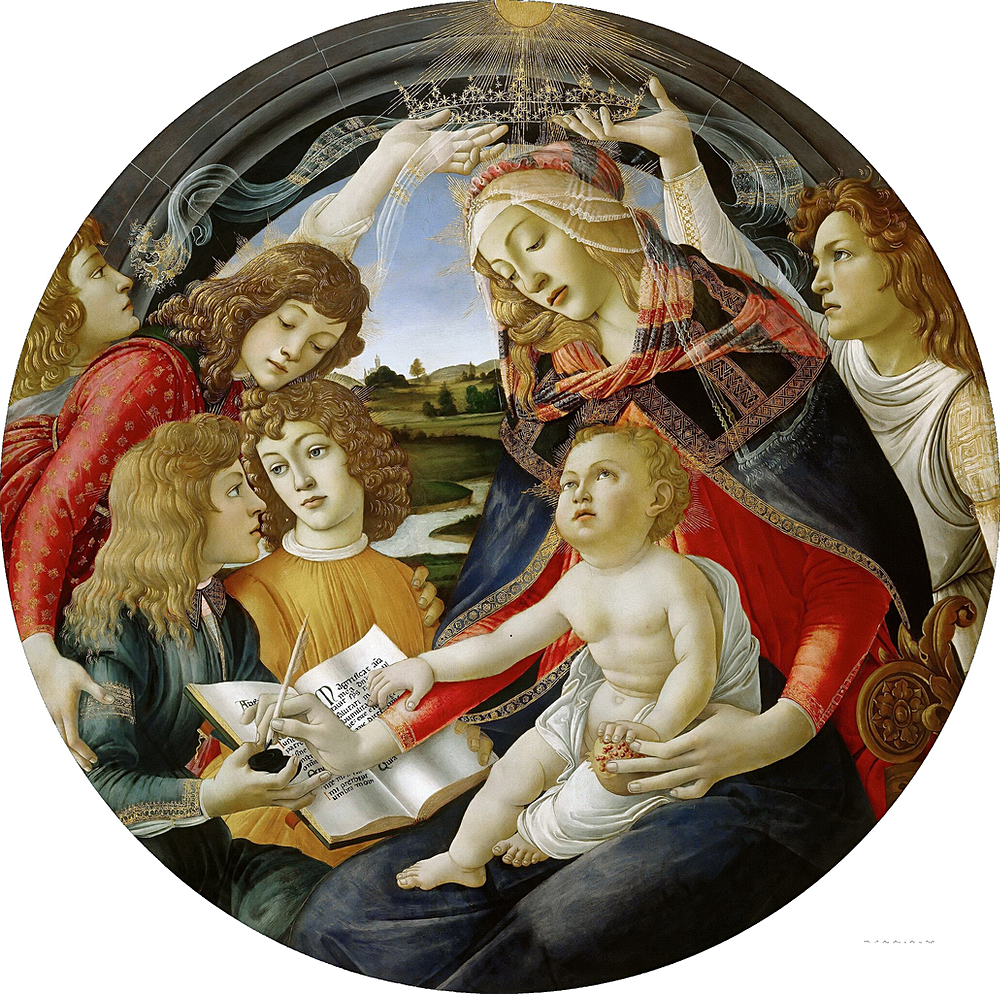
Madonna of the Magnificat (1483), tempera painting on panel by Sandro Botticelli (1445-1510). Uffizi Gallery, Florence. (Click image to enlarge.)
First Reading: Isaiah 35:1-10
When the Messiah comes, when the Kingdom draws near, those days of glory will be filled with righteousness and justice, joy and abundance, with healing and good news for the poor. We hear this hopeful message through our readings for the third Sunday of Advent, as we light the rose candle in the Advent wreath. This week’s readings shift the focus of Advent from quiet expectation toward anticipatory joy, a change in pitch that many traditionally note by wearing something pink to church. The first reading offers Isaiah’s vision of the people’s return to Jerusalem from exile in Babylon, a homeward journey when, the prophet foretells, the desert itself shall rejoice and blossom as those who suffer are restored to joy and singing.
Psalm: Psalm 146:4-9
In this passage from Psalm 146 we sing praise for God our creator – the Holy One who made heaven, earth, the seas and all that is in them – as we recognize the happiness of those who have received God’s assistance. The oppressed receive justice from God; God feeds the hungry, sets prisoners free, cares for strangers, orphans and widows, and gives sight to the blind. All this foreshadows the words that Mary will sing in the Magnificat (which is also available as an alternate Psalm on this Sunday); and we hear them echo again in the Gospel, when Jesus describes God’s Kingdom on earth.
Alternate Psalm: Canticle 15 (Luke 1:46-55)
Tradition has come to show us Mary, the mother of Jesus, as a sweet, submissive figure. But the Magnificat, the Song of Mary from Luke’s Gospel, shows a very different Mary: a brave Palestinian teen-ager. Shouting with joy when she first feels the baby Jesus moving within her, she thanks God for this gift, singing about God’s righteousness and justice. Expressing ideas that we will later hear again from Jesus, she sings that God has “scattered the proud … brought down the powerful … lifted up the lowly … filled the hungry with good things … and sent the rich away empty.”
Second Reading: James 5:7-10
This short passage from the Letter of James calls on its beloved audience to be patient and kind to one another as they wait for the eagerly anticipated coming of the Lord, as the farmer waits patiently for the nourishing rains that will bring a precious crop. In context, the preceding verses have warned the rich of coming miseries; all their gold, silver, and rich clothing are as nothing; God has heard the cries of the workers that they have cheated.
Gospel: Matthew 3:1-12
As we read through Matthew’s Gospel in this new Lectionary year, we will hear frequent reminders that Jesus is Messiah, the lord and savior that the prophets foretold. Sunday’s Gospel highlights a conversation between Jesus and messengers from John the Baptist in prison, who ask outright whether Jesus is the Messiah or if they must wait for another. Jesus responds not with a definitive answer but by setting out his priorities, which echo Isaiah’s prophecies and his mother’s song: “The blind receive their sight, the lame walk, the lepers are cleansed, the deaf hear, the dead are raised, and the poor have good news brought to them.”